



Why it has become so common – and how we can support children differently
Screens are everywhere. Tablets, phones, and TVs have become part of everyday family life. What once felt like a helpful tool is now often a constant source of stimulation for children.
Why is overstimulation so common today?
Children’s brains are highly sensitive to fast-moving input. Bright colors, sounds, animations, and constant changes strongly activate the brain’s reward system.
The challenge is that these stimuli are:
-
too fast
-
too intense
-
continuous, with no natural breaks
As a result, many children struggle with:
-
restlessness
-
short attention spans
-
difficulty calming themselves
-
frustration and emotional overload
What do children really need instead?
Children don’t need more stimulation – they need meaningful stimulation.
✔️ slow-paced play
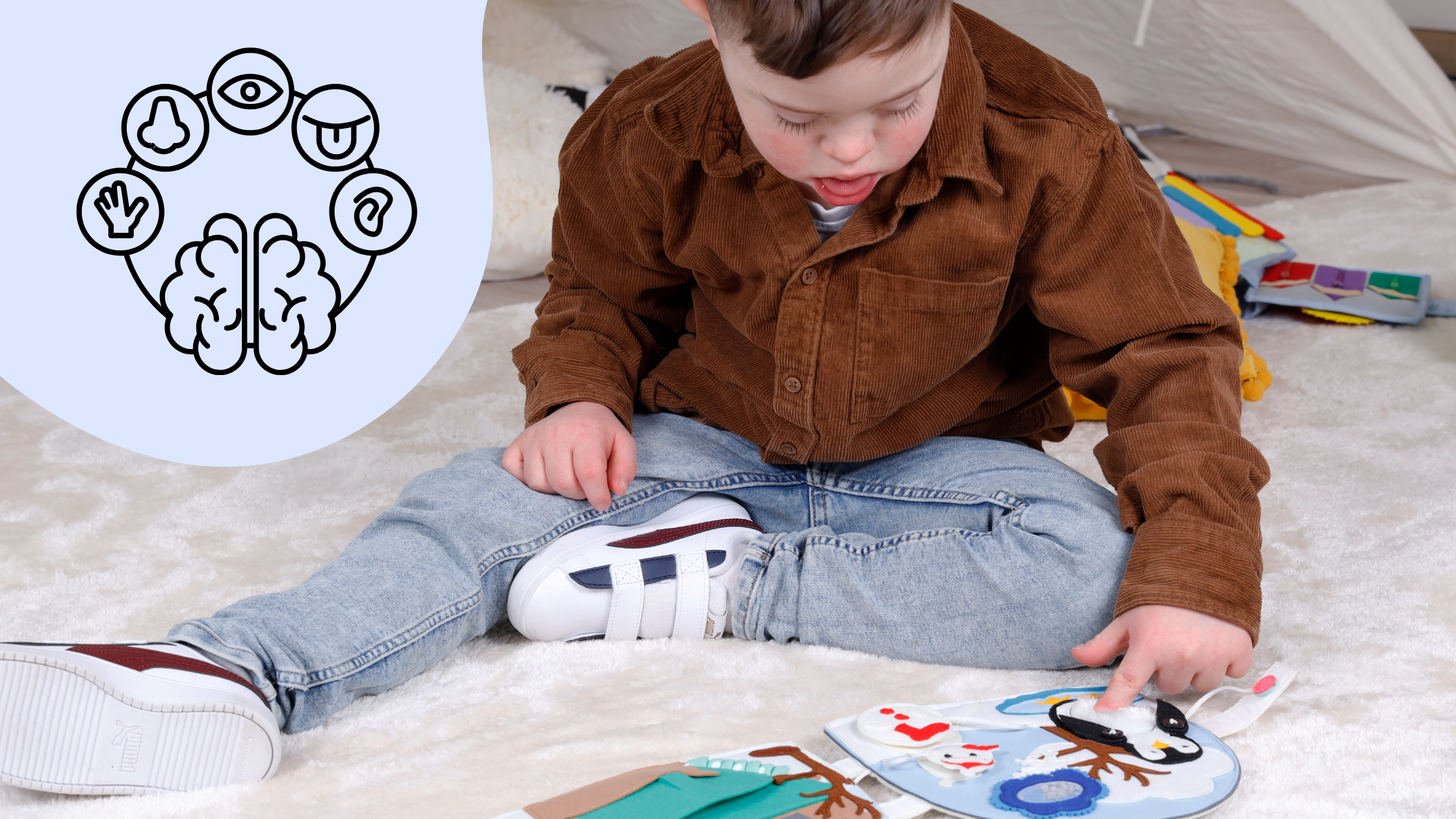
✔️ hands-on sensory experiences
✔️ repetition and predictability
✔️ clear, simple activities
✔️ moments of calm
Screen-free sensory play allows the nervous system to slow down and organize itself.
How can we support children without screens?
Supporting children doesn’t mean entertaining them constantly. It means offering environments where they can engage deeply and independently:
-
calm toys with a clear purpose
-
tactile materials that involve hands and senses
-
predictable routines for transitions
-
play experiences without pressure or overload
This is where quiet, sensory-based tools—such as Quiet Books—can gently support focus, calm, and self-regulation without overwhelming the child.
Conclusion
Screens are not the enemy. Balance is key.
Especially for young children, real-world, hands-on experiences are essential.
Less screen time and more calm, intentional play can lead to better focus, emotional balance, and healthy development.



Leave a comment
All comments are moderated before being published.
This site is protected by hCaptcha and the hCaptcha Privacy Policy and Terms of Service apply.